Rifle Scopes
When it comes to rifle scopes, the old saying "spend as much on your glass as you did on your rifle" still holds true for many, but modern manufacturing has made the $500–$1,000 range incredibly competitive. The real choice today isn't just about magnification; it's about reliability vs. features. You have to decide if you want a lightweight "set and forget" scope for the timber or a "dialing" scope designed to crunch ballistics for cross-canyon shots.
What Separates Good from Great
Tracking and Return to Zero
This is the most debated topic on hunting forums. A "great" scope has internal turrets made of hardened steel or brass that move the reticle exactly 0.25 MOA every time you click. Cheap scopes often have "plastic erectors" that may shift zero after a bump or fail to return to the exact same spot after you dial for a long-range shot.
Eye Box Forgiveness
At the shooting range, you have time to perfectly align your eye. In the field, you might be twisted in a weird position in a treestand or shooting off a pack. A "great" scope has a wide "eye box," meaning you get a full, clear image even if your head isn't perfectly centered. Cheap glass has a "finicky" eye box that turns black the second you move a fraction of an inch.
Low-Light Optical Coatings
You aren't paying for "light gathering"—glass can't create light. You're paying for coatings that maximize light transmission and manage glare. High-end European glass keeps the image sharp and contrasty in the deep shadows of the "last ten minutes" of legal light, where budget glass washes out into a gray blur.
First Focal Plane (FFP) vs. Second (SFP)
In an SFP scope (traditional), your reticle stays the same size, and holdover marks are only accurate at max magnification. In an FFP scope, the reticle grows and shrinks as you zoom, meaning your holdover marks are accurate at any power—a critical feature for fast-moving western hunts where you don't have time to check your zoom dial.
The Call
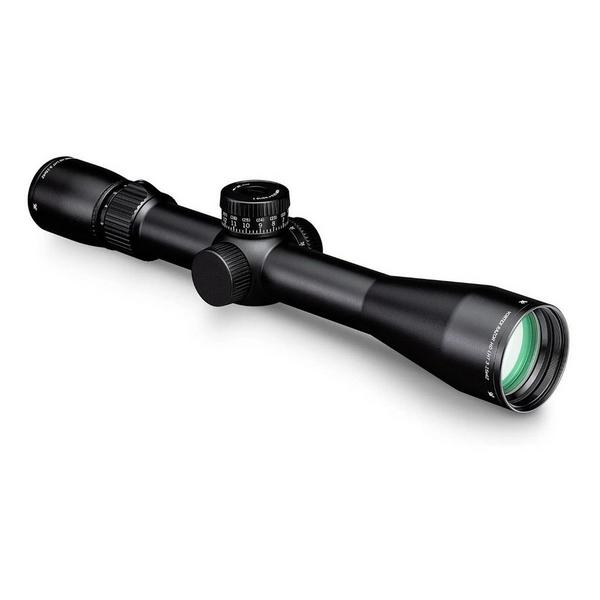
Designed specifically as a "Long Hunter" tool. It is incredibly light for its features, has some of the best glass in its price bracket, and features a locking elevation turret to prevent accidental shifts in the brush.
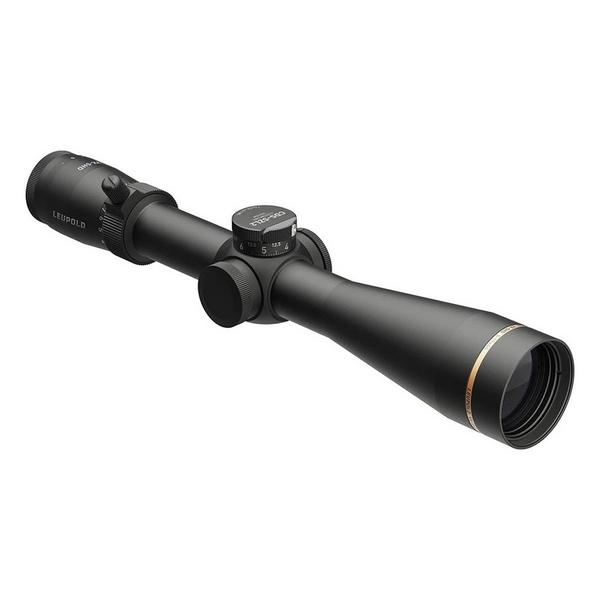
Famous for its "Twilight Max HD" light management. It's widely considered the best scope for squeezing every second out of dusk. The CDS (Custom Dial System) allows you to get a turret laser-engraved specifically for your rifle's ballistics.
Built to military-grade standards. If your main concern is the scope holding zero after being dropped on a rock or bounced in a truck, the Credo is the "insider's" choice for durability and repeatable tracking.
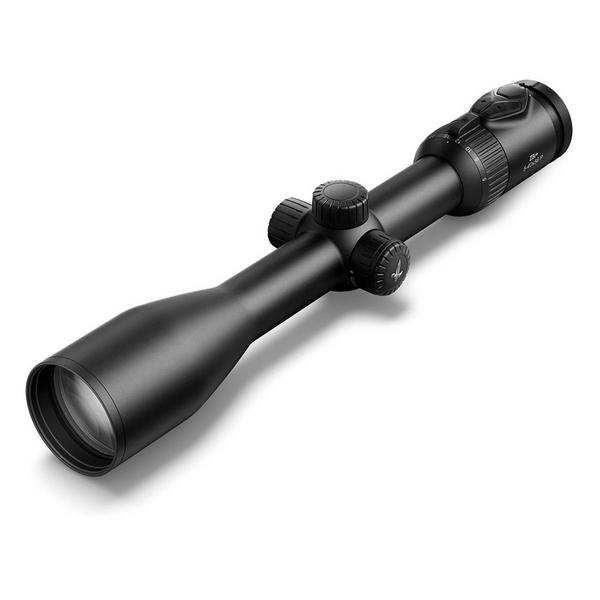
For the hunter where budget is no object. The optical clarity is startling, and the 8x zoom ratio means you can use it for everything from close-quarters woods hunting to extreme-range mountain shots.
More Picks below - Many of the best brands are now on Amazon. We sifted through the unreliable garbage and kept the gems.
Also Consider
As an affiliate, we may earn commissions from qualifying purchases at no extra cost to you. Product recommendations are based on our team's experience and research.