Hunting Rangefinder
In the hunting world, the rangefinder is the final arbiter. You can have the best rifle and the most expensive glass, but if you misjudge a cross-canyon shot by 40 yards, none of it matters. The real debate among hunters isn't just about maximum distance; it's about "angle compensation" and laser "engine" speed. When a buck is quartering away at a steep downhill angle, the horizontal distance—the one that actually dictates your bullet's drop—is vastly different from the line-of-sight distance.
What Separates Good from Great
Angle Range Compensation (ARC)
This is non-negotiable for mountain or treestand hunters. A "great" unit uses an integrated inclinometer to calculate the "true ballistic distance." Without this, a 40-yard shot from a stand or a 400-yard shot across a draw will result in a clean miss over the back.
Beam Divergence
Cheap rangefinders have a "fat" laser beam that can bounce off a branch 10 yards in front of a deer, giving you a false reading. High-end units have a tight, narrow beam that can "thread the needle" through heavy timber to hit the target.
OLED vs. LCD Display
Budget units use black LCD readouts that disappear against dark timber or in low light. Great rangefinders use red OLED displays with adjustable brightness, allowing you to actually read the yardage during the first and last ten minutes of legal shooting light.
Targeting Modes (First vs. Last)
In hunting, you almost always want "Last Target" or "Brush" mode. This tells the laser to ignore the grass or twigs in the foreground and only report the distance of the furthest object it hits (the deer).
The Call
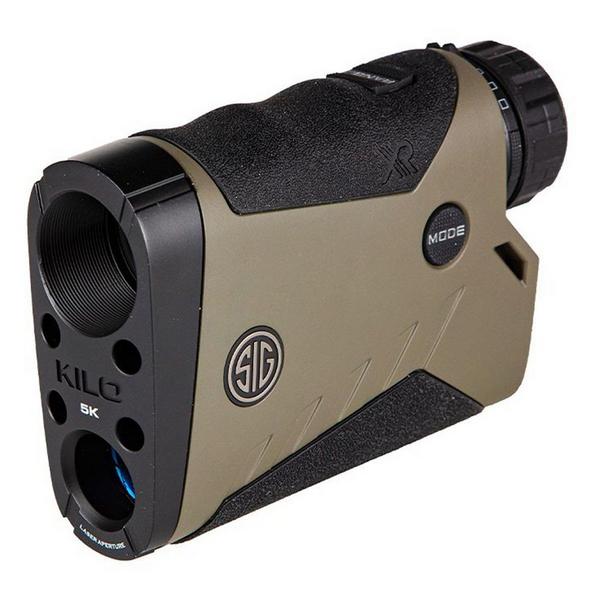
The gold standard for speed. It features "Applied Ballistics" built-in, meaning it can sync with your phone to give you actual holdover corrections, not just yardage. The scan mode updates 4 times per second.
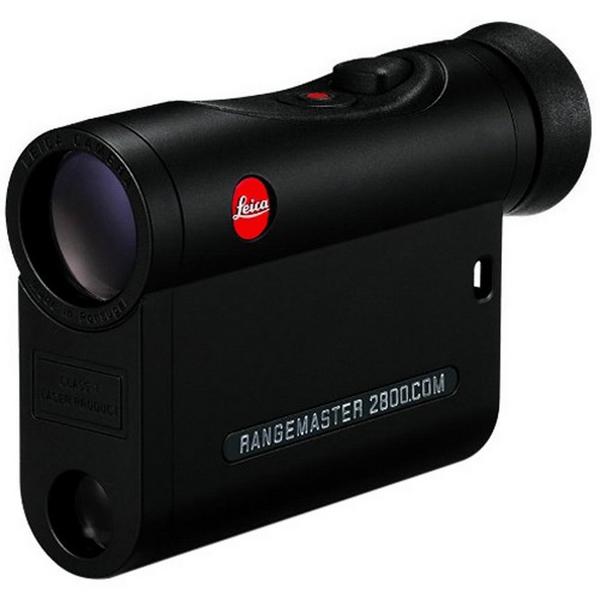
Leica glass is world-class, often allowing this unit to double as a monocular. It is famous for its compact, vertical orientation that fits easily into a shirt pocket.
Extremely rugged with a magnesium chassis. It has specialized modes for "ELR" (Extra Long Range) and a very effective "First/Last" target priority toggle. Plus, it's covered by the Vortex VIP warranty.
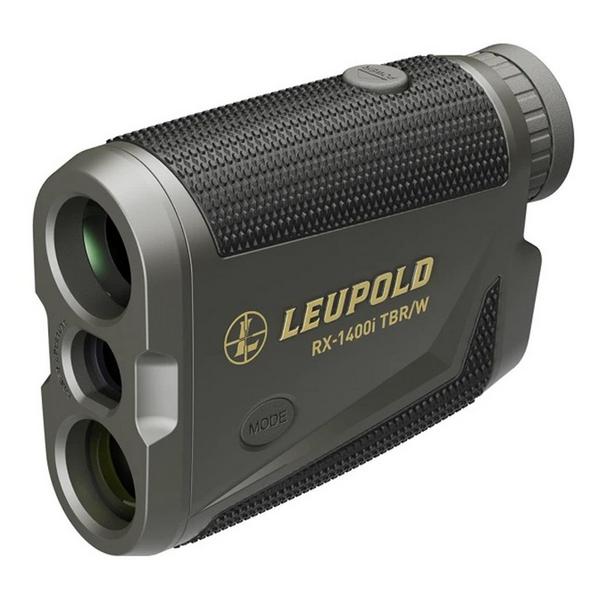
Unbeatable at this price point. It includes "True Ballistic Range" (TBR) technology and a bright red OLED display, which is almost unheard of in a sub-$250 unit.
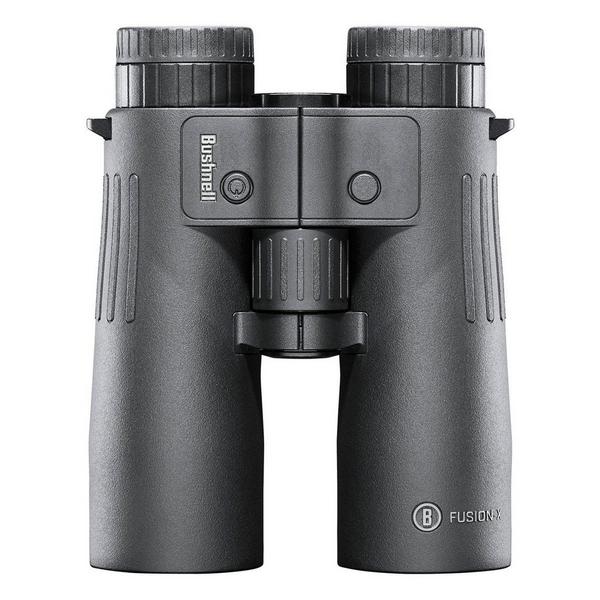
These are 10x42 binoculars with a built-in 1-mile rangefinder. It eliminates the "fumble" of switching between glassing and ranging, which can save precious seconds when a bull is moving.
More Picks below - Many of the best brands are now on Amazon. We sifted through the unreliable garbage and kept the gems.
Also Consider
As an affiliate, we may earn commissions from qualifying purchases at no extra cost to you. Product recommendations are based on our team's experience and research.