Duck Decoys
The decoy spread is where science meets superstition. On the forums, you'll find guys running 300 cheap decoys and guys running 6 ultra-realistic hand-painted customs—and both swear their method is the only way. In 2026, the consensus is starting to lean toward 'motion over numbers.' A dozen decoys with a spinning-wing and a jerk cord will outfish a hundred motionless blocks on most days.
What Separates Good from Great
Motion, Motion, Motion
Ducks key in on movement before they ever see paint detail. A spinning-wing decoy (like a Mojo) creates flash that attracts birds from a distance, while a jerk cord makes your floaters 'swim' and ripple the water. Motion is especially critical on calm, bluebird days when a static spread looks 'dead' to circling birds.
Species Mix (The Confidence Factor)
Ducks feel safe when they see other species feeding together. A few teal, gadwall, or pintail decoys mixed into a mallard spread can act as 'confidence' decoys—signaling that the party is safe. Conversely, an all-mallard spread can look suspicious to wary late-season birds.
Paint Detail vs. Quantity
This is the eternal debate. For field hunting or open water, quantity and silhouette matter more than feather detail. For timber hunting or small potholes, where birds are landing at 15 yards, high-quality paint jobs can be the difference between a finishing bird and a flaring bird.
The Call
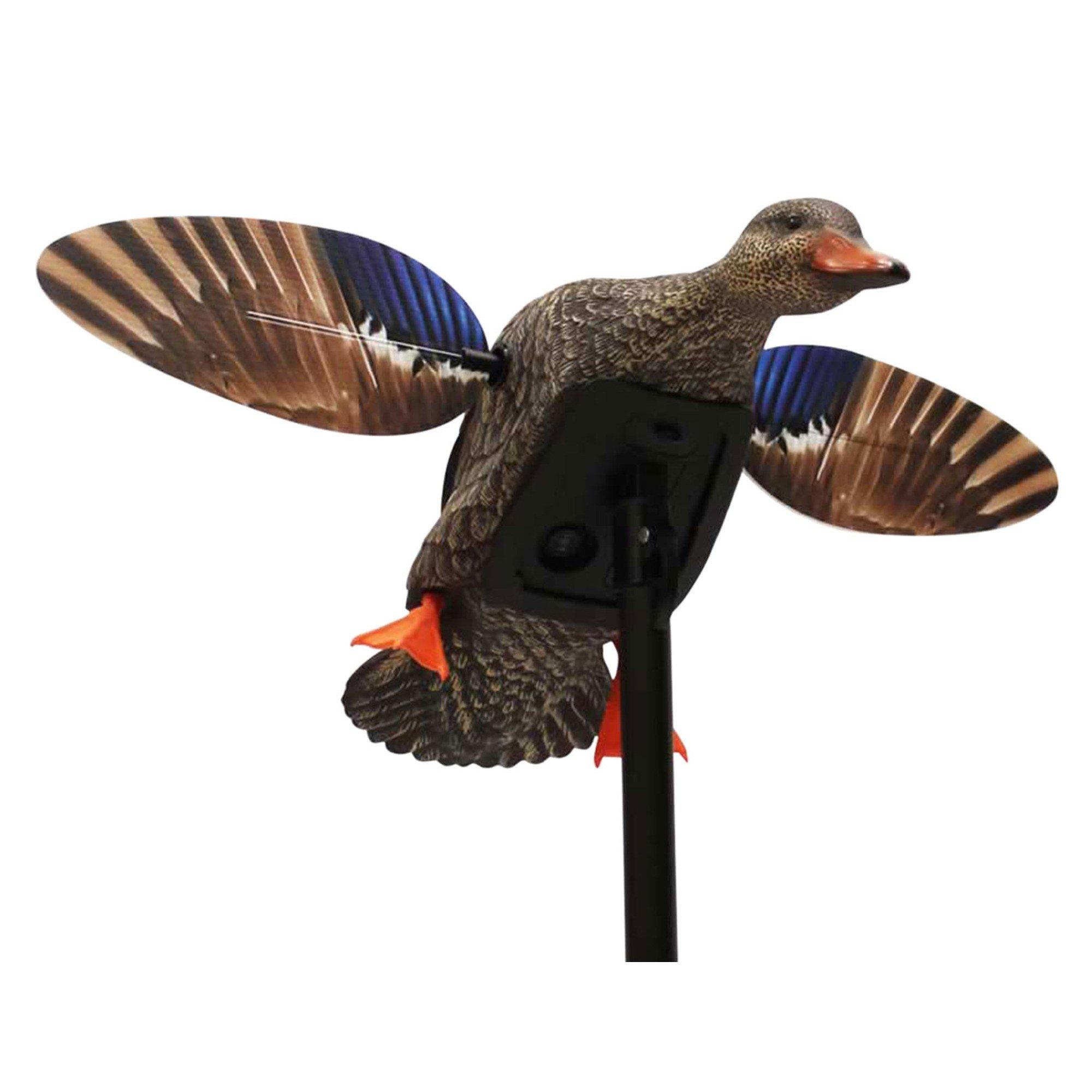
The original spinning-wing that started the revolution. It's durable, visible, and has a proven track record of pulling birds from across a field. Get the remote-controlled version so you can kill the spin when birds are close.
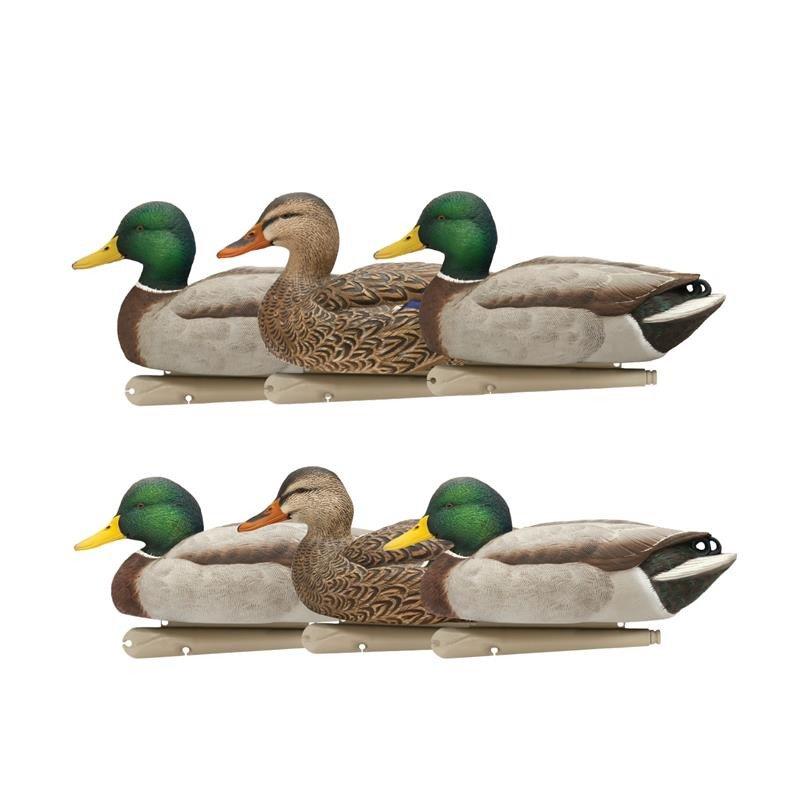
Incredibly detailed paint for the price. They ride low and natural on the water. The forum consensus is these are the best 'out of the box' floaters without going custom.
The standard for field hunting. The flocked heads reduce glare and the postures are varied enough to look like a real flock. Buy once, hunt forever.
Solidly built, decent paint, and easy on the wallet. This is the way to build a large spread without selling a kidney.
Simply place the anchor in your spread, run the line to your blind, and pull the string. Forum veterans say this is the most cost-effective 'motion' upgrade you can make to any spread.
More Picks below - Many of the best brands are now on Amazon. We sifted through the unreliable garbage and kept the gems.
Also Consider
As an affiliate, we may earn commissions from qualifying purchases at no extra cost to you. Product recommendations are based on our team's experience and research.