Duck calls
The duck call is the only piece of gear that can actually talk a bird into dying—or scare it into the next county. On the forums, the 'Call vs. Caller' debate is endless. You'll see guys with $200 custom acrylic lanyards who couldn't call a cat to dinner, and 'old-timers' with a $15 plastic double-reed who can make a mallard do a backflip. In 2026, the trend is back to 'old-school' wood for the timber and loud, 'screaming' acrylic for the open water.
What Separates Good from Great
Single vs. Double Reed
This is the first fork in the road. Single reeds are more versatile and have more 'range' but are notoriously hard to master—if you blow them wrong, they 'squeak' out. Double reeds have 'training wheels'; they are much more forgiving and have that built-in 'rasp,' though they lack the high-end volume of a single.
Acrylic vs. Wood vs. Polycarbonate
Acrylic is loud, sharp, and virtually indestructible—perfect for big water and wind. Wood (like Cocobolo or Bois d'Arc) has a 'mellow' and 'ducky' tone that hunters swear by for flooded timber. Polycarbonate (molded plastic) is the budget entry point; it sounds 'good enough' but can't match the crispness of turned acrylic.
Stick-Busting (Moisture Control)
Every call 'sticks' eventually due to spit and condensation. Some modern calls feature 'spit-grooves' or specific reed shapes to prevent the reed from suctioning to the tone board. Forum veterans always suggest keeping two calls on the lanyard so you can rotate them when one gets 'wet'.
The Call
It's just pure raw balls-to-the-wall don't tell your mother most powerful non-nuclear duck calling machine on the planet.
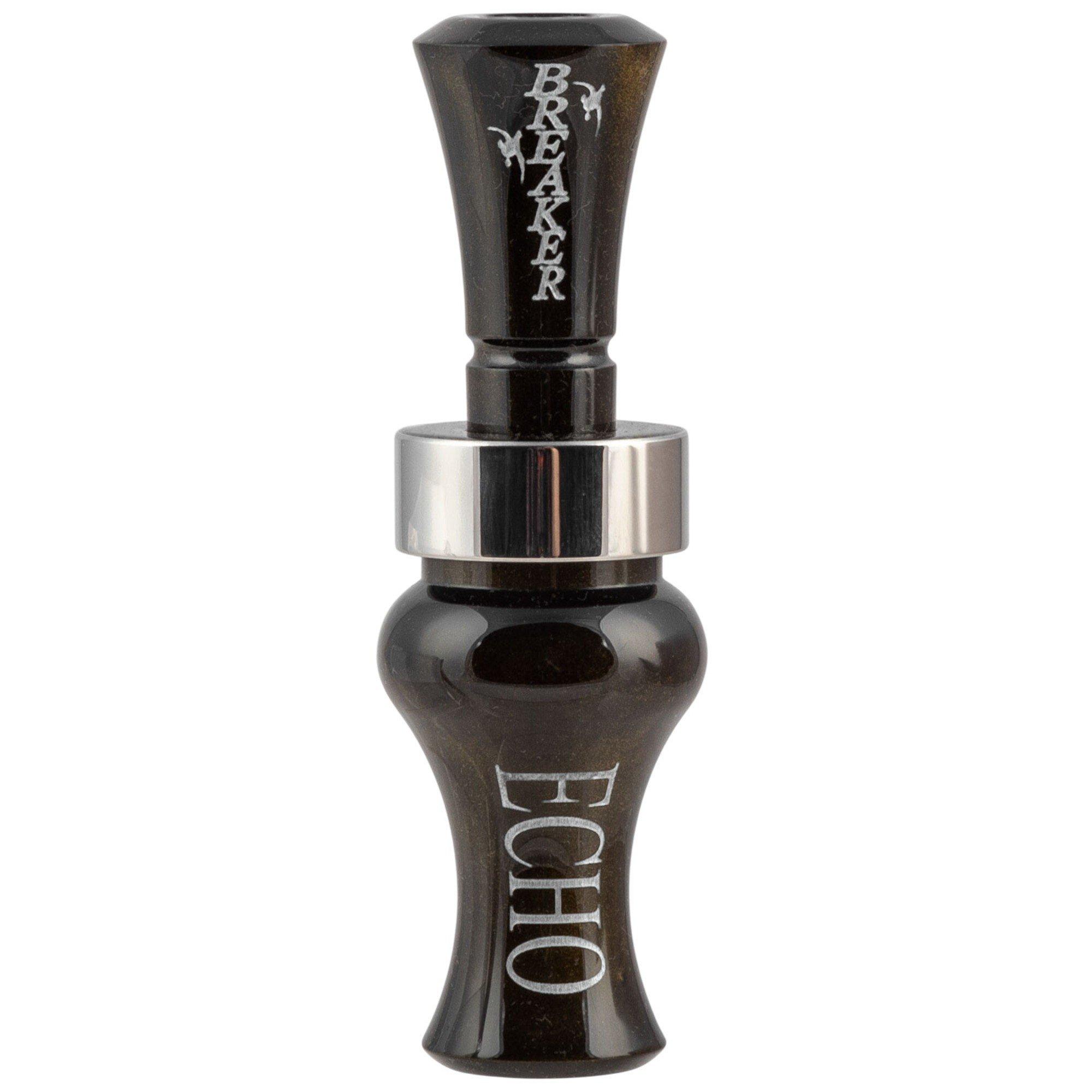
Designed for the green timber of Arkansas. It has incredible low-end control for those soft 'quacks' and 'feed chuckles' when the birds are right on top of you.
The most recommended 'starter' call in forum history. It's a double-reed that features 'SBT' (Short Barrel Technology), making it incredibly easy to blow without losing the rasp.
Commonly known as 'The Deceiver.' It's a clear plastic legend that has probably killed more ducks than every acrylic call combined. If you lose it in the swamp, you aren't out a car payment.
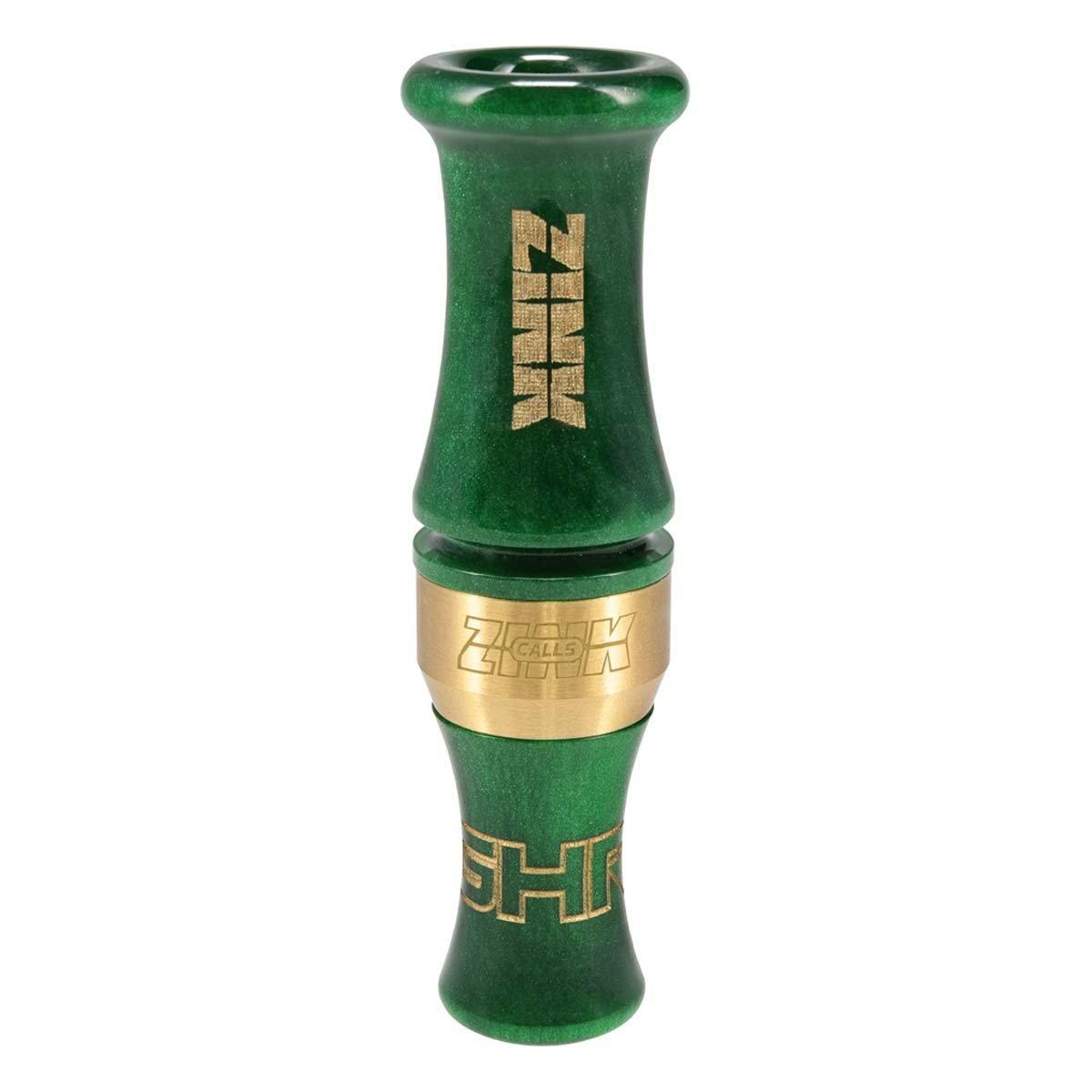
A double-reed designed to sound like a single. It has the 'range' of a custom call but the ease of use for a guy who only hunts a few weekends a year.
More Picks below - Many of the best brands are now on Amazon. We sifted through the unreliable garbage and kept the gems.
Also Consider
As an affiliate, we may earn commissions from qualifying purchases at no extra cost to you. Product recommendations are based on our team's experience and research.